

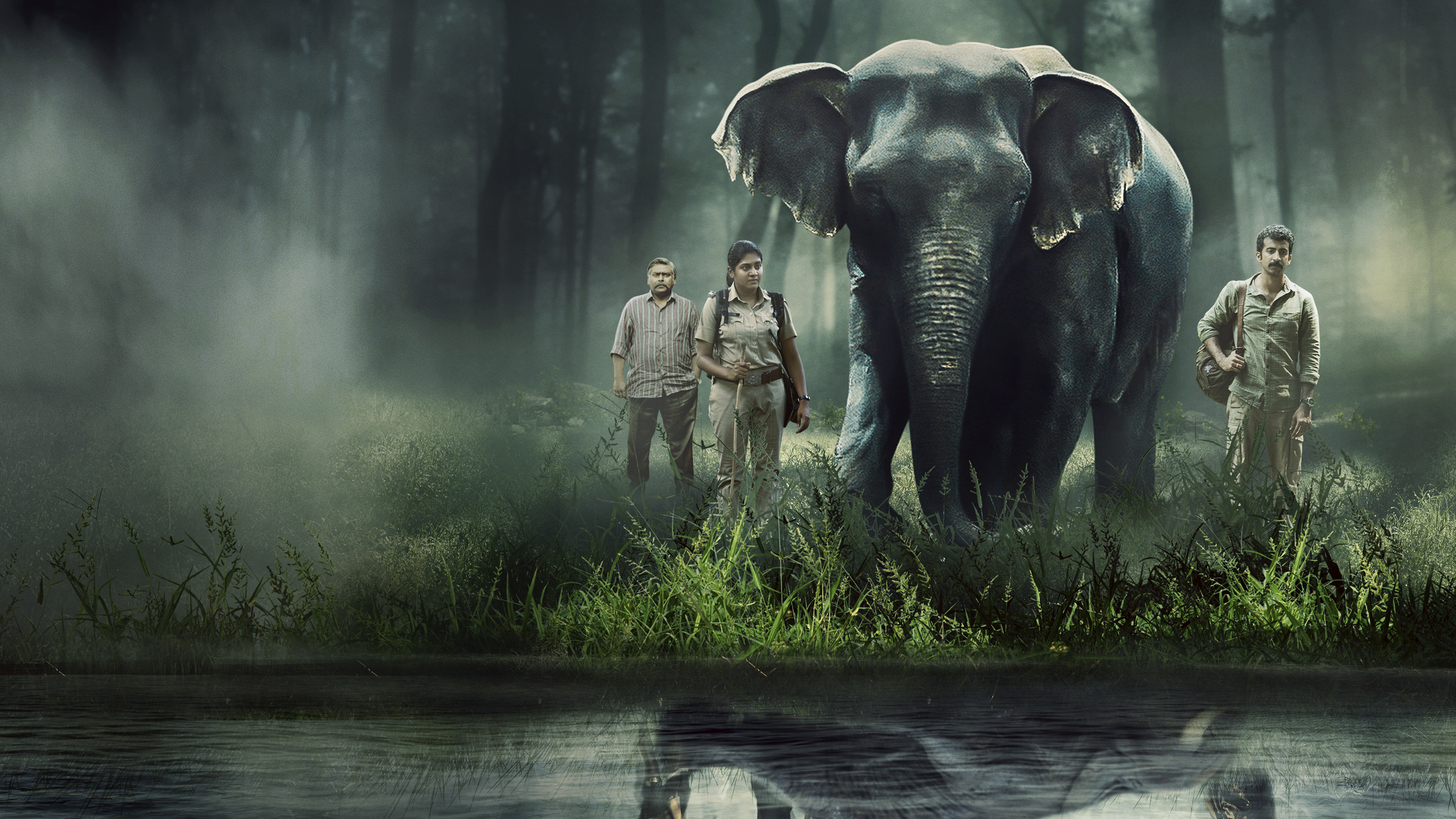
I started watching the web series Poacher on Amazon Prime more than two months back during a particularly busy period of time. I struggled to watch it, given my own time constraints and the slow pace of the series in the initial episodes. The fact that it was dubbed in Hindi from its original Malayalam version also slightly hampered my interest as I find that dubbing takes away much of the essence that’s vital to the story. I am a very sensory person that way, looking for auditory nuances and linking them to the different characters.
I got stuck on the 3rd episode of the 8 episode series, till I picked it up again last night. And what a loss it would have been if I had decided to skip it. For, this series is quite an apt portrayal of the poaching scenario in India, and more importantly, of the people engaged with the forest department. I was absolutely blown away by the acting, the storyline and the realistic interpretation of the various challenges faced by the forest officials. Deeply painful at times, and a bitter depiction of actual events that take place in our forests. I am glad that they decided to show it exactly how it happens.
The series took its time to establish the characters, their back stories, and the corrupt nexus between various parties. Once that was done, it picked up pace in the 5th episode and there was no looking back. It suddenly became an edge of the seat thriller with the characters running hard against time, against the system, and against all the odds that kept stacking up in front of them.
Poacher is all about a group of a few good people, passionate and courageous, trying to save the elephants in Kerala from being slaughtered for their ivory. Their families bear the brunt of their selfless acts the most. As a key character sums up their dilemma in life – between wildlife conservation and your family, one has to suffer. The series traverses through the deep jungles of Kerala, treading over elephant carcasses, to the opulent art galleries and seedy lanes of Delhi – the trail tainted with the blood money of ivory trading.
Long have we blamed the Chinese and the buyers from Europe and elsewhere – when we have our own set of blood-thirsty ivory consumers in our midst – the high and mighty, who would rather have their Ganesha statues made from the tusks of murdered elephants in the wild.
May the Elephant God thwart all their wishes!
I loved the powerful portrayal of the women characters in the series, right from the gritty Range Officer Mala to the fearless DFO Dina and the sharp police officer Sunita from Delhi Police. The relentless spirit of Mala doesn’t break even as her mental and physical limits are stretched to the optimum. The daughter of a poacher, she realises that there is no one who understands the jungle better. They would make the best conservationist, she says, if only their lust for thrill and blood could be curbed. But then, not every poacher wanted to return reformed.
Greed, fame and adulation – these things matter more to people like Veerappan who remorselessly slaughtered more than 500 elephants to support the ivory trade. Yet, the media has turned such psychotic murderers to heroes and that’s exactly why I refuse to watch the Netflix documentary on Veerappan, lest my blood boil and increase my blood pressure.
It has become fashionable to lend solidarity to the poachers citing their humble backgrounds and the need to support their families. But how many of us actually know about the sacrifices of the forest guards/rangers? They hail from the same background and the same village as the poachers. Their salaries meagre when compared to the hard life that they lead in the jungles, cut off from regular touch with their families, with just a few amenities to live by. Their work goes largely unnoticed and unappreciated. After all, they chose to become protectors of creatures who can’t speak for themselves or even express their gratitude.
I think this series touched a chord with me, as I am the daughter of a former forest range officer (Manas National Park, Assam) myself. I remember deta, my father, coming home after a long, hard day and sitting down for his meal when a wireless message would come relaying poacher movement in some remote part of the jungle. The food untouched, deta would immediately rush to the gate and shout out to his men. In a trice, the rangers would all gather, uniformed, and without saying goodbye to any of us, deta would leave. We wouldn’t know when he would be returning. Sometimes, I feel, the men in the army have better chances of survival and of recognition, than the men in the forests.
Besides the strong-willed woman protagonist, the series is also helmed by the intelligent manoeuvres of the field director Neel Bannerjee, who sets out to solve the case despite his precarious health, and the analysis provided by the computer programmer/wildlife warrior/snake doctor Alan, who is striving to keep his marriage afloat in the midst of this upheaval. With Bannerjee facing the bureaucratic juggernaut (a line that he spoke resonated – “sometimes we lose focus on the real job of conservation because we are too busy handling the bureaucracy”), he leaves the job of pursuing the real players behind the poachers and bringing them to book, to Mala and her team. Babu, another character, lends his support to Mala as well, plagued by his own guilt of overlooking the poachers under his watch.
As the series end with a herd of elephants arriving to mourn one of their fallen comrades, I am left teary-eyed, perhaps sharing the same sentiments as Mala.
“Can we save the elephants?” Alan’s son had asked. “Of course, we can.” Alan had reassured his son. “Perhaps not all of them, but we can save the species.” I have my heart full of hope, too.
Do watch the web series, if you haven’t done so already – it will stay on with you for long.


Leave a Reply